
Preparation for respiratory endoscopy: clinical and operational aspects in hospitals


In pulmonology services and respiratory procedure units in hospitals and clinics, preparation for respiratory endoscopy is a critical step to ensure patient safety and the diagnostic quality of the study.
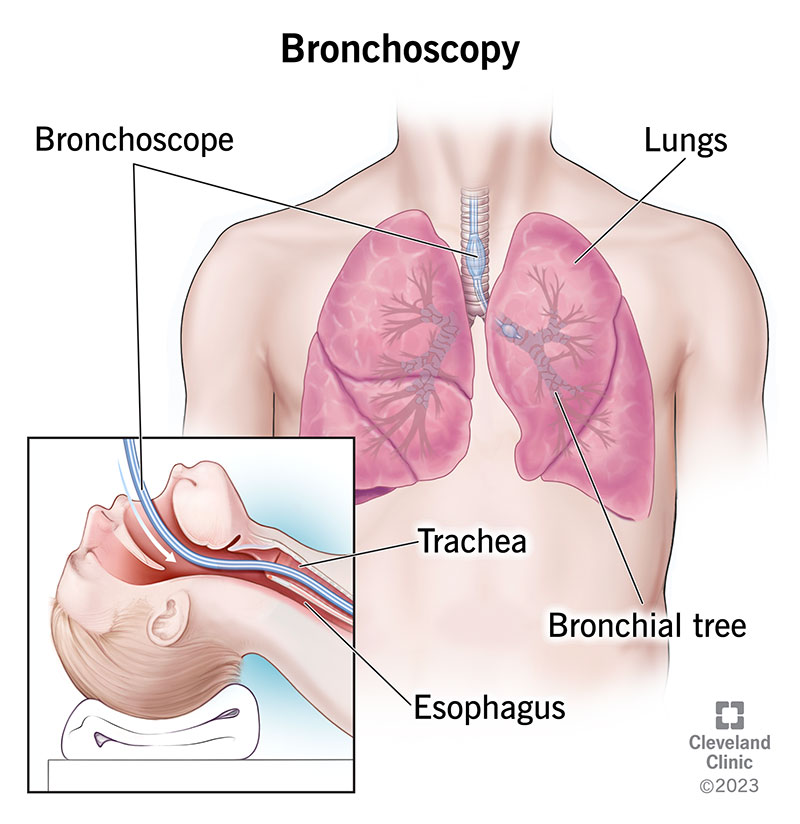
Respiratory endoscopy, clinically known as bronchoscopy, allows the exploration of the airways using a flexible bronchoscope equipped with a camera and lighting. This procedure is widely used to diagnose lung infections, bronchial lesions, tumors, or inflammatory diseases of the respiratory tract.
However, the success of the procedure does not depend solely on the medical equipment or the technology used. The prior preparation of the patient plays a fundamental role in the safety of the study and in the specialist's ability to obtain accurate diagnostic information.
In hospital practice, understanding preparation for respiratory endoscopy involves considering clinical, pharmacological, and operational factors that can influence the course of the procedure.
What is respiratory endoscopy and when is it performed
Before addressing preparation for respiratory endoscopy, it is important to understand what this procedure entails.
Respiratory endoscopy or bronchoscopy is a technique that allows the direct visualization of the airways using a flexible bronchoscope introduced through the nose or mouth.
During the procedure, structures such as the following can be explored:
-
trachea
-
main bronchi
-
segmental bronchi
In addition to direct observation, the specialist can perform interventions such as:
-
lung biopsies
-
bronchoalveolar lavage
-
removal of foreign bodies
-
evaluation of bronchial lesions
Because it is a procedure involving the respiratory tract, the prior preparation of the patient is especially important to minimize risks and facilitate the exploration.
Preparation for bronchoscopy: prior patient assessment
One of the first steps in preparation for bronchoscopy is the clinical assessment of the patient before the procedure.
The specialist usually reviews aspects such as:
-
respiratory history
-
cardiovascular diseases
-
use of anticoagulant medications
-
patient's lung function
In some cases, complementary studies such as chest X-rays or laboratory tests are requested to assess the patient's overall condition.
This assessment allows for the identification of factors that could increase the risk during the procedure.
In hospitals with a high volume of respiratory procedures, this phase is part of standardized clinical protocols.
Fasting before respiratory endoscopy
As with other endoscopic procedures, fasting is part of preparation for respiratory endoscopy.
Generally, it is recommended to:
-
avoid solid foods between 6 and 8 hours before the procedure
-
stop liquids several hours before the study
The goal of fasting is to reduce the risk of aspiration during the procedure, especially when sedation is used.
In clinical practice, proper compliance with this instruction facilitates the specialist's work and reduces possible complications during bronchoscopy.
Medications that should be reviewed before the procedure
Within the patient preparation for bronchoscopy, one of the most important aspects is the medication review.
Some treatments may require temporary adjustments before the procedure.
Among the medications that are usually evaluated are:
-
anticoagulants
-
antiplatelet medications
-
blood pressure medications
-
specific respiratory treatments
The suspension or adjustment of these medications should always be indicated by the treating physician.
This step is important because some respiratory procedures include biopsies or sampling, which could increase the risk of bleeding if the patient uses certain medications.
Patient preparation for bronchoscopy in the hospital
On the day of the procedure, the medical team usually follows several steps within the preparation for respiratory endoscopy.
These include:
-
fasting verification
-
medical history review
-
placement of basic monitoring
-
administration of local anesthesia or sedation
During the procedure, parameters such as the following are monitored:
-
heart rate
-
blood pressure
-
oxygen saturation
This monitoring allows for rapid action in case of any alteration during the exploration.
Technology used in respiratory endoscopy
The diagnostic quality of bronchoscopy depends largely on the technology used.
Modern respiratory endoscopy systems include:
-
high-definition flexible bronchoscopes
-
advanced light sources
-
digital image processors
-
specialized medical monitors
These technologies allow for detailed images of the airways, facilitating the detection of lesions or abnormalities.
In many hospitals in the region, specialized providers such as GSMED Imaging participate in the implementation of endoscopic systems used in different clinical areas, including respiratory procedures.
Common errors in preparation for bronchoscopy
In clinical practice, some operational problems can affect the quality of the procedure.
One of the most common is the patient's failure to fast, which may require rescheduling the study.
Difficulties can also arise when medication information is not properly reviewed before the procedure.
In well-structured hospital services, communication with the patient and the standardization of protocols help reduce these inconveniences.
Hospital assessment before implementing respiratory endoscopy services
When clinics or hospitals assess implementing bronchoscopy procedures, various technical and operational factors are analyzed.
Among them:
-
endoscopic system quality
-
availability of accessories
-
medical staff training
-
specialized technical support
These aspects directly influence the safety of the procedure and the efficiency of the service.
A common situation in pulmonology units
In a regional hospital seeking to improve its diagnostic capacity for lung diseases, the medical team decided to expand the use of bronchoscopies in patients with complex respiratory infections.
During the first few months, the service detected that several procedures had to be rescheduled due to incomplete patient preparation.
The solution was to implement a simple prior communication protocol that included clear instructions on fasting, medications, and recommendations before the procedure.
Over time, the rate of rescheduled procedures decreased significantly and the operational flow of the service improved.
This type of experience demonstrates that preparation for respiratory endoscopy is not just a prerequisite for the procedure, but a key element in clinical efficiency.
FAQs
What is respiratory endoscopy?
Respiratory endoscopy, also known as bronchoscopy, is a medical procedure that allows the visualization of the airways using a flexible bronchoscope with a camera. It is used to diagnose lung diseases, assess bronchial lesions, or take tissue samples for analysis.
How to prepare for a bronchoscopy?
Preparation for bronchoscopy generally includes prior fasting, medication review, and medical assessment before the procedure. The doctor may indicate the suspension of certain medications or perform prior studies depending on the patient's condition.
Is fasting necessary before a bronchoscopy?
Yes. In most cases, fasting from solid foods between 6 and 8 hours before the procedure is recommended. This helps reduce the risk of aspiration during bronchoscopy.
Is bronchoscopy a painful procedure?
Bronchoscopy is usually performed with local anesthesia or light sedation, allowing the patient to remain relaxed during the procedure. Discomfort is usually minimal and temporary.
How long does a bronchoscopy take?
The procedure usually takes between 15 and 30 minutes, depending on the complexity of the study and whether additional interventions such as biopsies or bronchoalveolar lavage are performed.


