
Upper gastrointestinal endoscopy: indications and clinical applications


In the gastroenterology services of hospitals and clinics in Latin America, upper gastrointestinal endoscopy is one of the most requested diagnostic procedures. For many specialists, it represents an essential tool for evaluating pathologies of the esophagus, stomach, and duodenum without the need for open surgery.
From a clinical point of view, this procedure allows for the direct observation of the mucosa of the upper digestive tract using a flexible endoscope equipped with a camera and lighting system. This facilitates the detection of inflammation, lesions, bleeding, or tumors in their early stages.
However, beyond the procedure itself, upper gastrointestinal endoscopy also has important implications for hospital management. The quality of the endoscopic system, patient preparation, and the experience of the medical team directly influence diagnostic accuracy and the safety of the study.
Understanding how upper gastrointestinal endoscopy is used in clinical practice allows us to appreciate its importance in the modern diagnosis of digestive diseases.
What is an upper gastrointestinal endoscopy
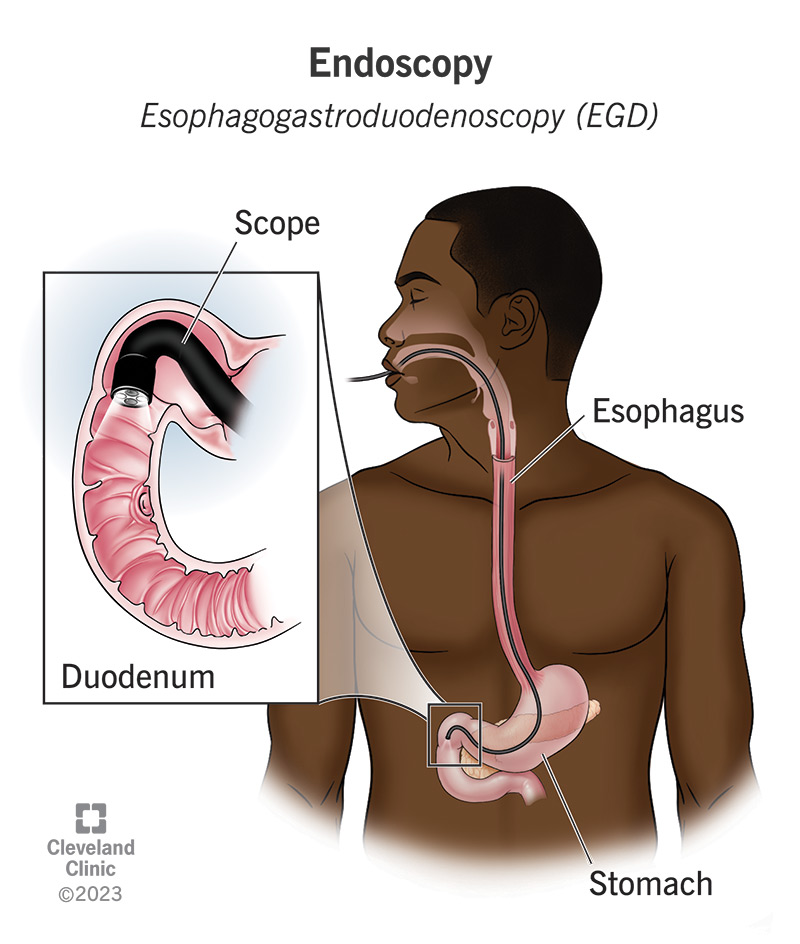
Upper gastrointestinal endoscopy is a medical procedure that allows for the visualization of the interior of the upper digestive tract using a flexible endoscope.
This study explores three main structures:
-
esophagus
-
stomach
-
duodenum
The endoscope incorporates a high-resolution camera that transmits real-time images to a medical monitor. In this way, the gastroenterologist can examine the digestive mucosa in great detail.
In addition to visual diagnosis, the procedure allows for interventions such as:
-
biopsy
-
control of digestive bleeding
-
removal of foreign bodies
-
polyp resection
For this reason, upper gastrointestinal endoscopy is considered both a diagnostic and therapeutic tool.

What is upper gastrointestinal endoscopy used for
Among the most common clinical applications of upper gastrointestinal endoscopy are:
-
diagnosis of gastritis
-
evaluation of gastric ulcers
-
detection of gastroesophageal reflux
-
study of digestive bleeding
-
detection of precancerous lesions
-
diagnosis of gastric or esophageal cancer
In hospital practice, this procedure is also used to evaluate patients with persistent symptoms such as abdominal pain, difficulty swallowing, or recurrent vomiting.
The ability to directly observe the digestive mucosa allows for the detection of lesions that are not always visible through other diagnostic studies.
When is an upper gastrointestinal endoscopy needed
Doctors usually order an upper gastrointestinal endoscopy when patients present with digestive symptoms that require direct evaluation.
Among the most common clinical situations are:
-
persistent abdominal pain
-
severe heartburn or reflux
-
difficulty swallowing
-
anemia of unknown origin
-
digestive bleeding
It is also used as a monitoring tool in patients with chronic digestive diseases.
The decision to perform the procedure always depends on the specialist's clinical evaluation.
Upper gastrointestinal endoscopy procedure
The procedure is usually performed in specialized endoscopy units within hospitals or clinics.
It generally includes several stages.
Patient preparation
Before the procedure, fasting is required to ensure adequate visualization of the stomach.
Sedation
In many cases, light sedation is administered so that the patient remains relaxed during the study.
Introduction of the endoscope
The endoscope is introduced through the mouth and carefully advanced through the esophagus to the stomach and duodenum.
Visual examination
The doctor observes the images transmitted by the endoscope camera while examining the walls of the digestive tract.
The procedure usually lasts between 10 and 20 minutes.
Technology used in gastrointestinal endoscopy
The diagnostic accuracy of upper gastrointestinal endoscopy depends largely on the technology used.
Modern systems include:
-
high-definition cameras
-
advanced light sources
-
digital image processing
-
video capture and storage systems
These advances allow for the detection of subtle changes in the digestive mucosa that may indicate diseases in their early stages.
In many hospital projects in the region, specialized providers such as GSMED Imaging participate in the implementation of these systems, providing technical support and guidance during installation.
Common mistakes when implementing endoscopy services
In hospital practice, some operational mistakes can affect the quality of the endoscopic service.
One of the most frequent is prioritizing only the initial cost of the equipment without considering technical support and the availability of spare parts.
Another common problem occurs when the training of medical or technical staff is insufficient.
Endoscopy is a technology that requires constant training to ensure safe procedures and reliable diagnoses.
Total cost of ownership of an endoscopic system
When hospitals evaluate investing in endoscopic technology, it is increasingly common to analyze the total cost of ownership.
This analysis includes factors such as:
-
initial equipment investment
-
preventive maintenance
-
accessories and consumables
-
staff training
Evaluating these aspects allows for more informed decisions about the implementation of medical technology.
A common case in hospital practice
In a regional hospital that sought to improve its gastroenterology service, the medical team identified that many patients were diagnosed late.
The solution was to expand the availability of upper gastrointestinal endoscopy procedures and improve referral protocols from outpatient clinics.
Over time, the service managed to detect gastric lesions at earlier stages, which allowed for improved treatment options for patients.
This type of experience reflects the impact that endoscopy can have on the timely diagnosis of digestive diseases.
FAQs
What is an upper gastrointestinal endoscopy?
Upper gastrointestinal endoscopy is a medical procedure that allows for the observation of the interior of the esophagus, stomach, and duodenum using a flexible endoscope equipped with a camera. This study is used to diagnose various digestive diseases and, in some cases, perform minimally invasive treatments.
What is upper gastrointestinal endoscopy used for?
Upper gastrointestinal endoscopy is used to diagnose gastritis, gastric ulcers, digestive bleeding, gastroesophageal reflux, and other diseases of the upper digestive tract. It also allows for biopsies or therapeutic treatments.
How long does an upper gastrointestinal endoscopy last?
The procedure usually lasts between 10 and 20 minutes. However, the total time in the endoscopy unit may be longer due to preparation, sedation, and the subsequent recovery period.
Is upper gastrointestinal endoscopy painful?
Most procedures are performed with light sedation, allowing the patient to remain relaxed during the study. In general, discomfort is minimal and temporary.
What diseases can a gastrointestinal endoscopy detect?
Gastrointestinal endoscopy can detect gastritis, ulcers, precancerous lesions, gastric tumors, digestive bleeding, and other pathologies of the upper digestive tract.


